
Birdwatching in Senegal — Casamance habitats and species
Birdwatching & wildlife photography
Birders and wildlife photographers looking for a birdwatching trip in Senegal are not on the wrong track. Senegal is beyond question a destination for nature lovers, home to a great many species, both resident and seasonal.
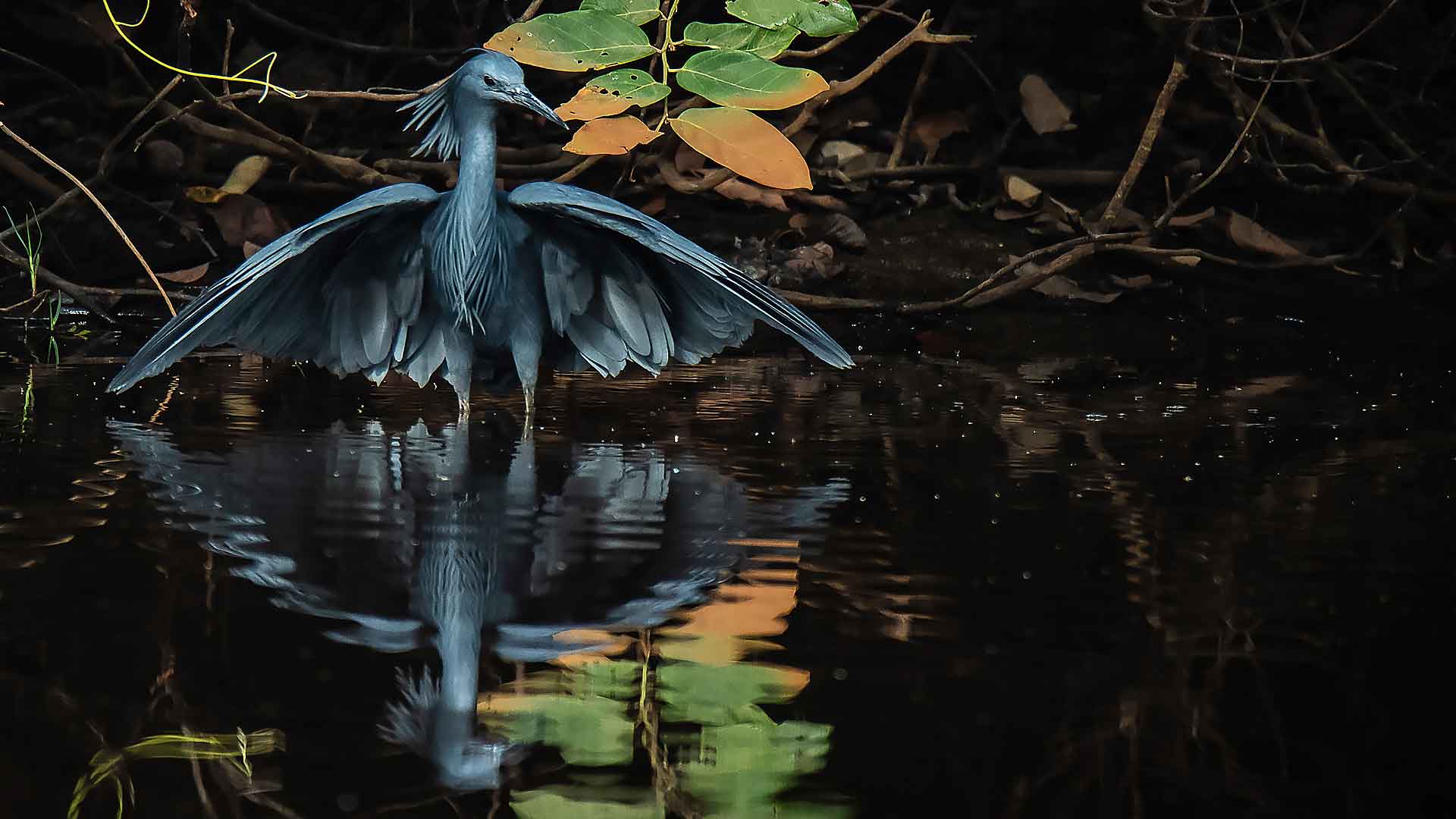
A birdwatching trip in Senegal
The birds of Casamance
During your birdwatching trip in Senegal you will have the privilege of observing a great many West African birds. Your stay will take you across a range of habitats and biotopes, guided throughout by a team who do this because they love it.
Many different habitats
If one region has to be singled out for a birdwatching trip in Senegal, it would be Casamance. This region brings together every habitat — forest, savanna, mangrove, coastline — which makes it possible to observe a great many birds, thanks in particular to its several reserves.
How your birdwatching trip works
Wildlife photography and birdwatching
Our set-up is designed so that you can see as many of the birds Casamance has to offer as possible. We put several practical means at your disposal to get you closer to the birdlife of the region.
By boat
A boat to reach the reserves hidden in the middle of the mangrove — the Kalissaï reserve, lost in the middle of nowhere, or the village reserve at Kassel, not far from Kafountine.
By 4x4
A 4×4 to get into the heart of the forest and meet the many arboreal species that live there.
The guide
An experienced guide will take you to the best sites for observation.
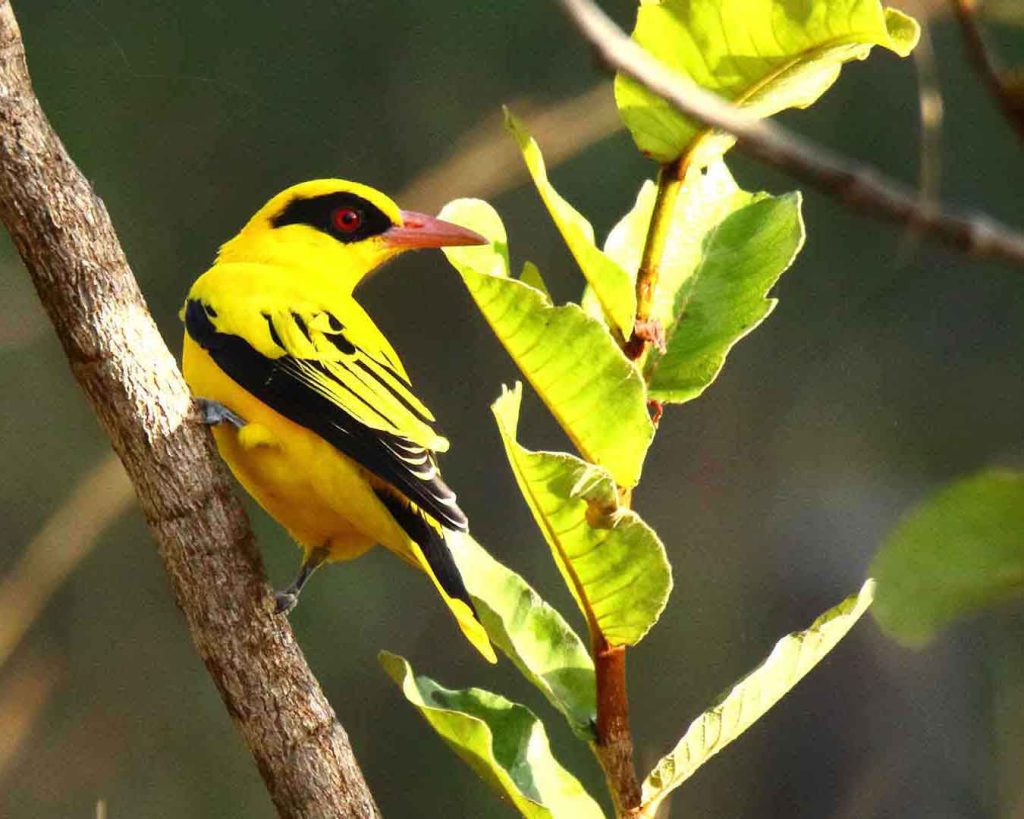
Why does Casamance hold so many bird species?
Quite simply because Casamance is a region with a great number of different habitats.
Some species are happiest in forest, while others prefer marshland, or on the contrary the dry ground of the savanna.
Each habitat holds its own characteristic families. To discover them species by species, with photographs taken on site, see our page on the birds of West Africa recorded in Casamance (in French).
Below is a short summary of what you will find and be able to observe in each habitat.
Birdwatching and photography in Casamance
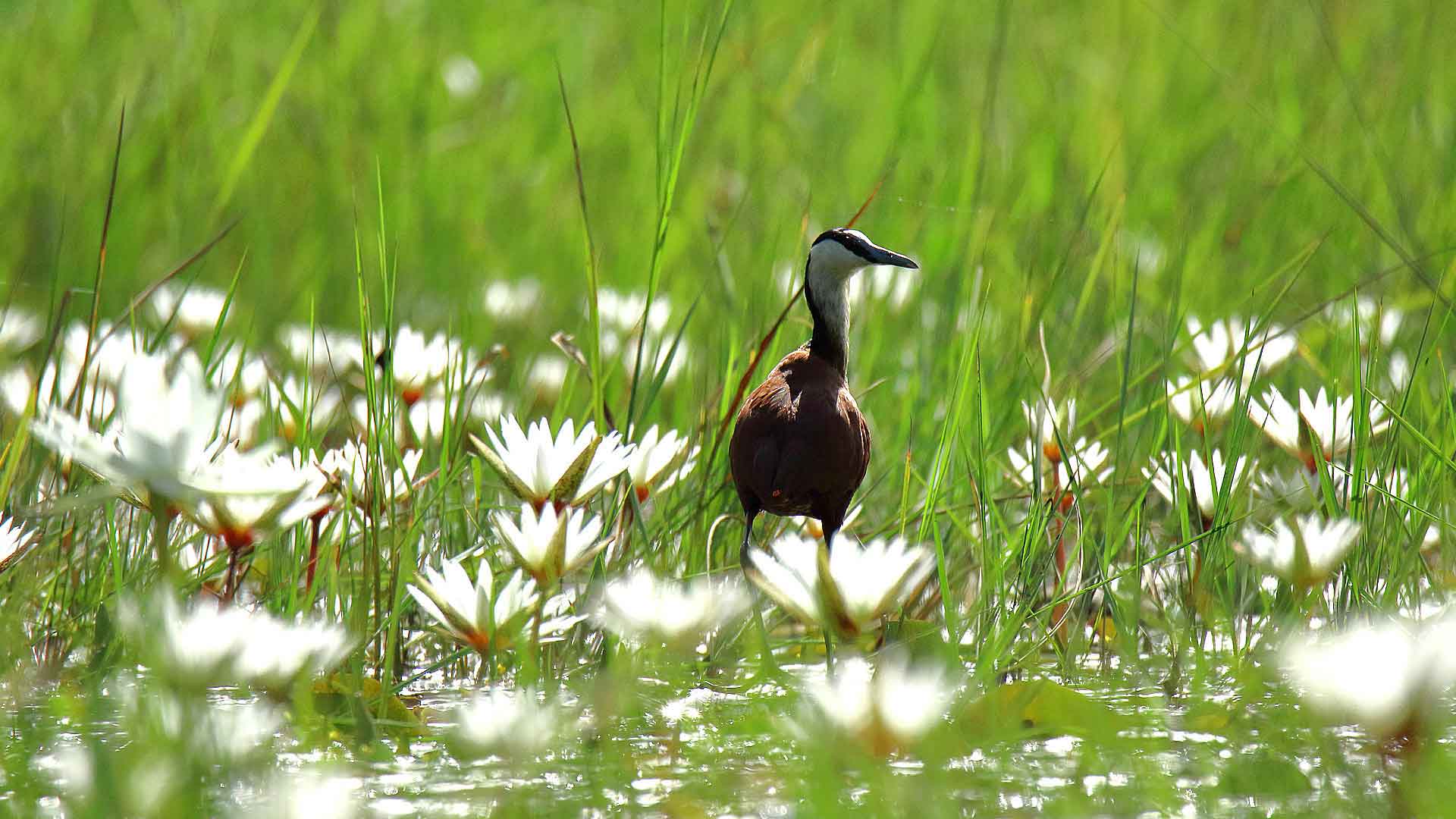
Marshes and wetlands
West Africa has two main seasons: the dry season and the rains. From July onwards heavy rain falls on the region, through September and into the very start of October. That water creates marshland which survives into the dry season and lets birds find fresh water all year round. In the cool hours of the morning and late afternoon they come down to drink, and that is the moment to observe all kinds of species.
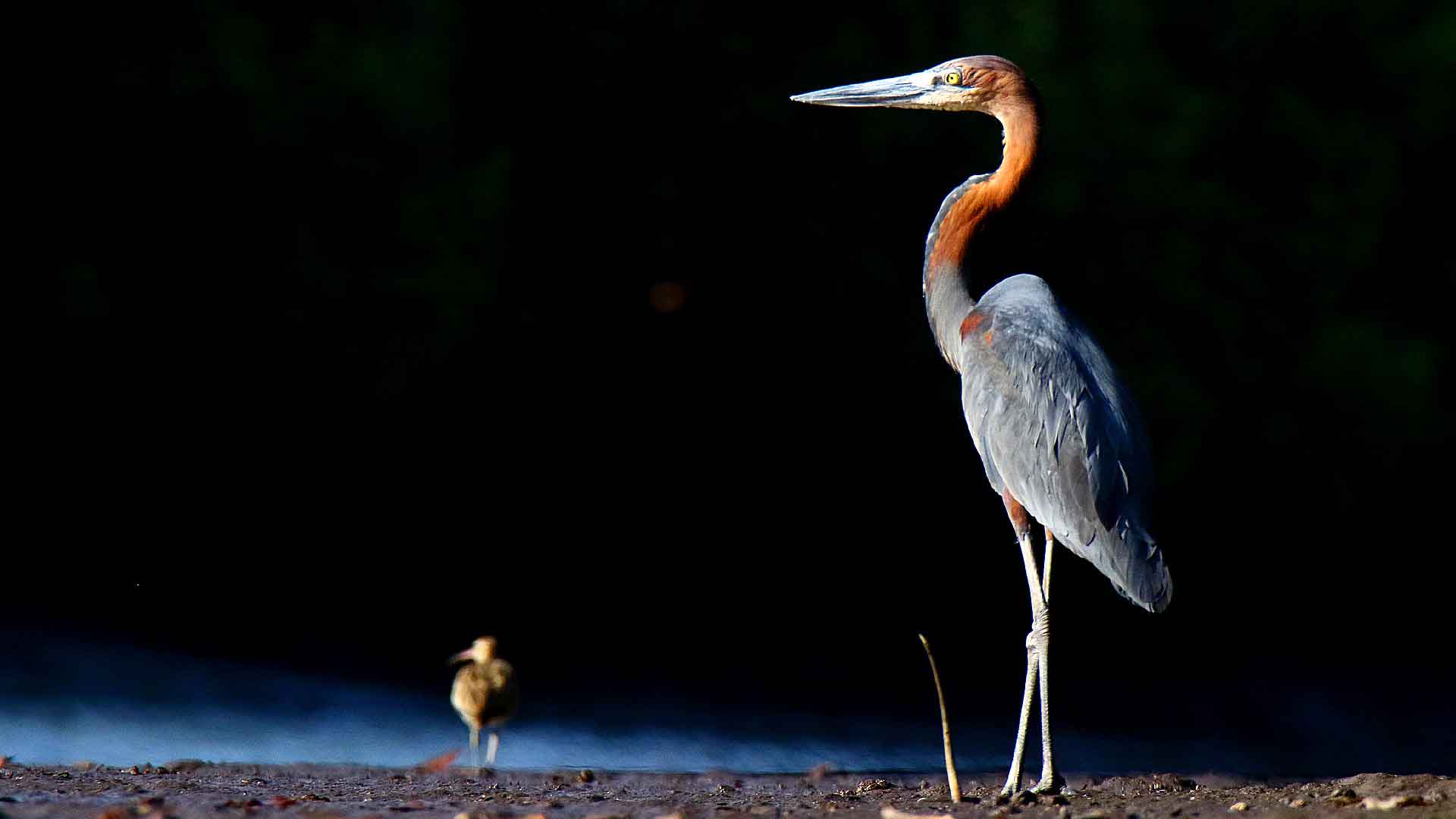
The mangrove
The Casamance mangrove is vast, and it takes a deep knowledge of the region to venture into this labyrinth of saltwater channels. Our guides know how to navigate it and know every secret it can hide. Several bird reserves lie within this area, among them Kalissaï and Kassel. You can expect pelicans, spoonbills, flamingos, Yellow-billed Storks, Sacred Ibis, cormorants, bee-eaters and a great deal more.
Savanna and grazing land
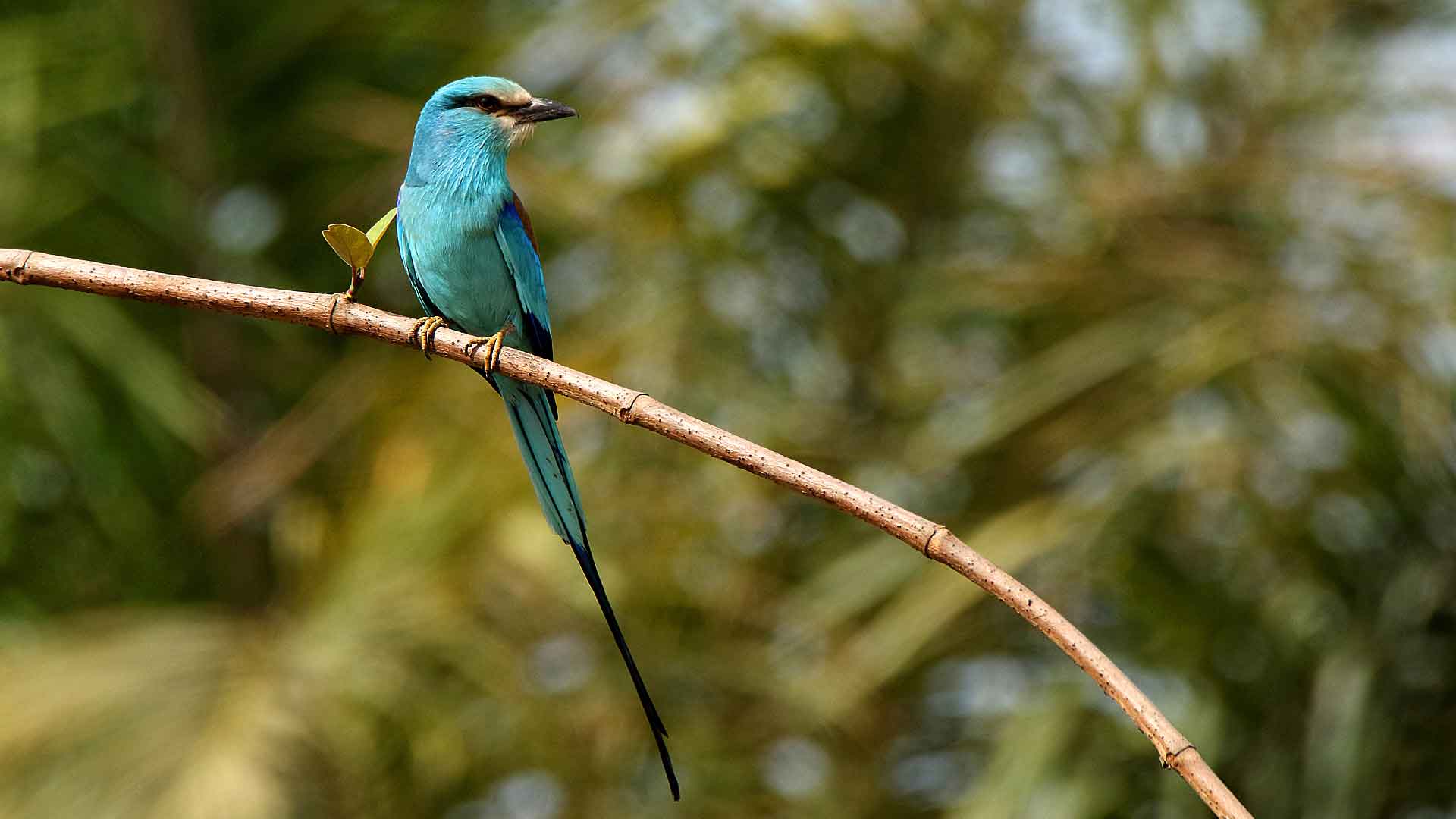
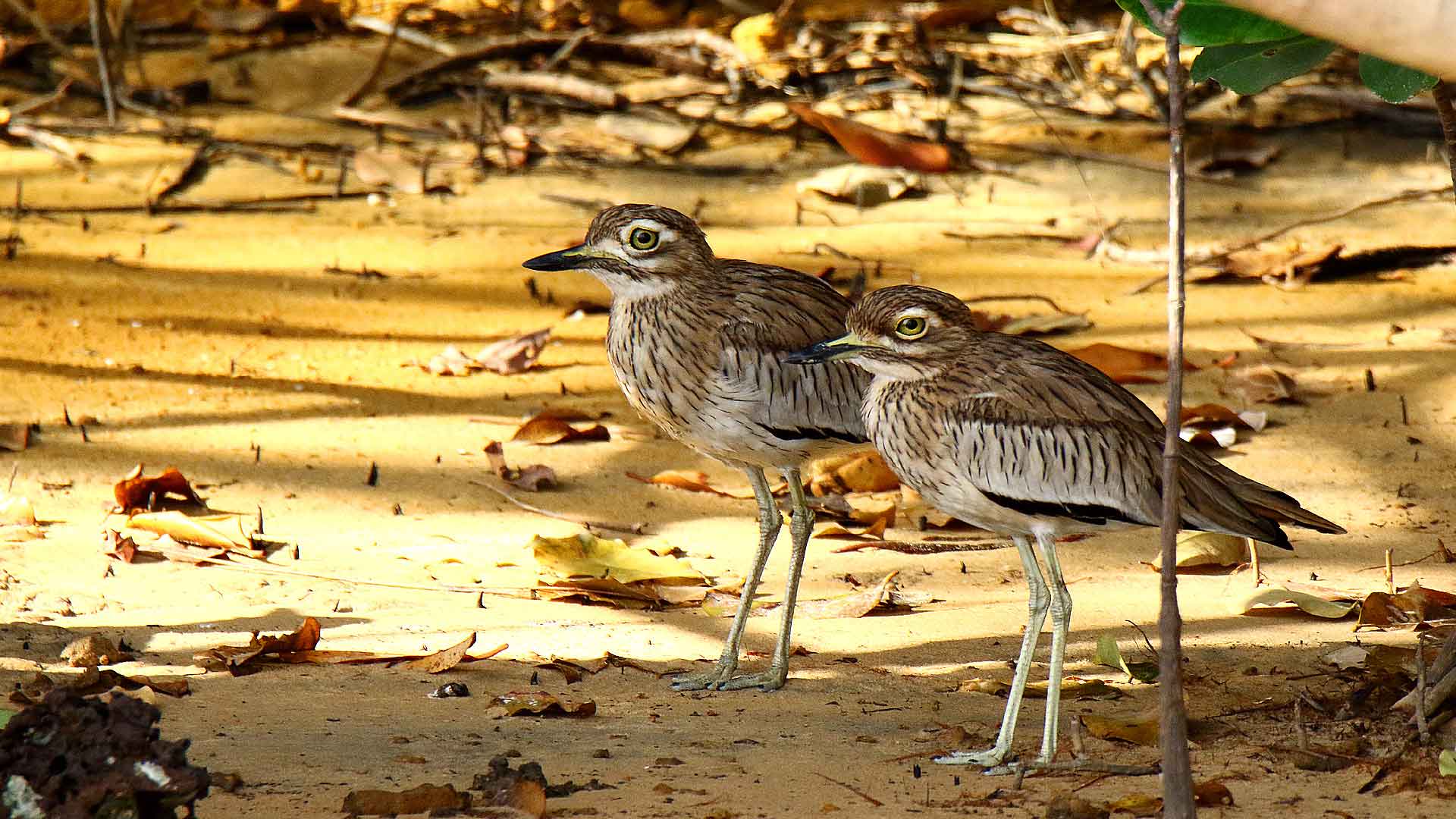
The savanna is a habitat poor in vegetation, made up largely of grasses. You find a few thorny trees such as acacias, widely spaced palms, and Detarium trees. Raptors, seed-eaters, rollers, bustards and francolins are all readily observed, along with Cattle Egrets and other waders — for cattle herds graze this ground too.
The coastline
Our lodge sits on the beach at Abéné, within a designated marine reserve. There are a great many seabirds to observe, especially at low tide close to the estuaries: terns, pelicans, gulls, curlews, waders and more.
The lodge garden
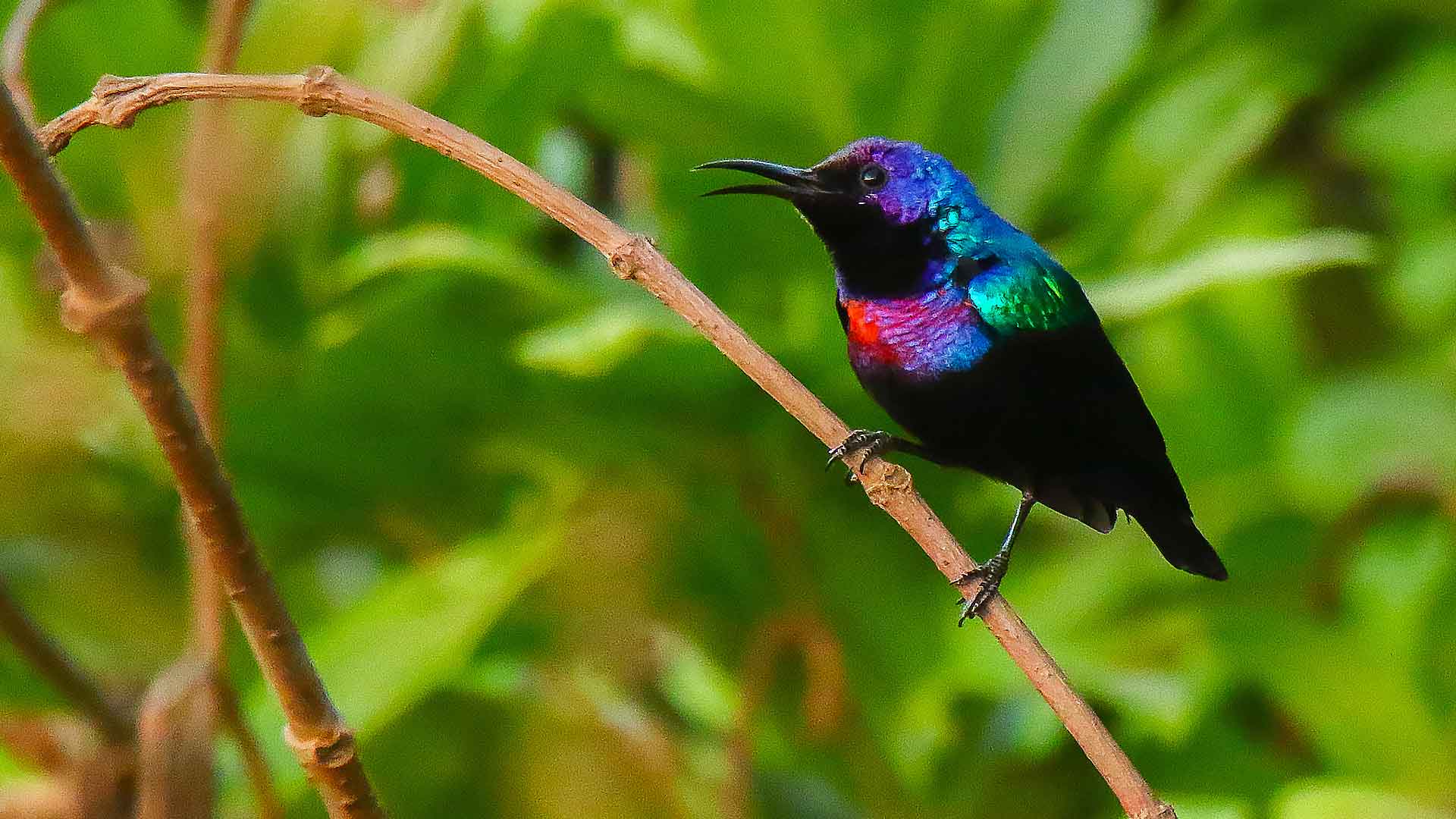
Garden birds are very numerous here. Thanks to the small features we have installed around the lodge, they can use the feeders and the water basins for their daily wash — a good moment to take a few photographs without difficulty. The many trees and flowers also draw in some superb species: sunbirds, bulbuls, weavers, firefinches, indigobirds, doves and others.
The Casamance forest
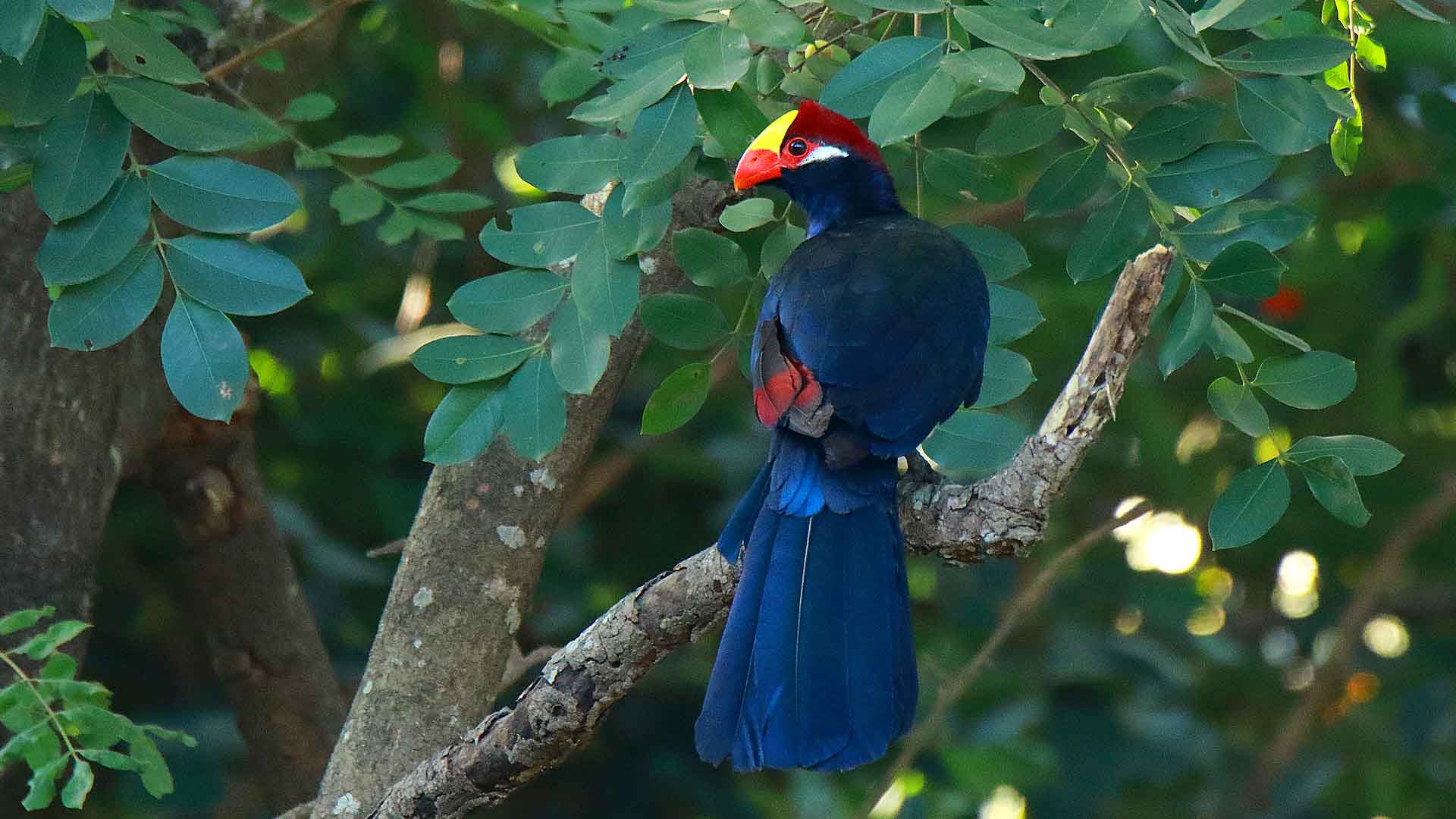
Casamance has a subtropical climate, so the forests here are dense, with many rare and protected tree species. Arboreal birds live in them: robin-chats, turacos, raptors, hornbills, bushshrikes, paradise flycatchers and a great many more. Other species are observable along the forest edges, which form the transition between open and wooded ground. Birds are easily seen there, since they usually perch on clear branches high up — raptors keeping watch for a small rodent, for instance.
Our birding and wildlife holidays
Birding holiday in Casamance
Eight days, four reserves, more than two hundred species depending on the season. The full details of our birding holidays in Senegal.
See the trip (in French)Gambia & Casamance Birding Tour
Fifteen days across two countries. 203 species on our last departure, documented in 27 published eBird checklists.
Read in EnglishWildlife Photography Tour
Hides, boat trips at water level, and not only birds — primates, reptiles, manatee and dolphin.
Read in EnglishEnquiries
Book your birding trip
Get in touch with the guide and book your birdwatching and wildlife photography trip in Senegal. Tell us when you can travel and what you most want to see.